The Ultimate Way to Optimize Enterprise Cloud Infrastructure Management

TL;DR —  Key Takeways

  • Enterprise cloud infrastructure management is essential for SMEs and enterprises. It helps them scale securely and cost-efficiently in 2026.
  • Poor governance and idle resources waste up to 30% of cloud budgets. Therefore, no business can afford to ignore this problem.
  • Intelligent automation, FinOps, and multi-cloud architecture are the three highest-impact strategies. Together, they deliver the best optimization results.
  • Application modernization using microservices and containers reduces infrastructure costs by up to 60%. Moreover, it triples deployment speed.
  • Real-time data analytics and AI-driven optimization are transforming IT teams. As a result, reactive teams become proactive, self-optimizing operations.
  • Partnering with a specialist like Andolasoft accelerates cloud optimization outcomes. Furthermore, it reduces implementation risk and total cost significantly.

Managing enterprise cloud infrastructure in 2026 is no longer optional. It is mission-critical for every business. The ability to optimize enterprise cloud infrastructure management determines who thrives and who falls behind. Therefore, organizations must act now to stay competitive in a rapidly changing market.

According to Gartner, global cloud spending will surpass $1 trillion by 2027. However, nearly 30% of cloud budgets are wasted. Poor governance and idle resources are the main causes. For SMEs and enterprises alike, this is a margin no one can afford to lose.

Furthermore, optimizing cloud infrastructure goes beyond simply moving workloads. It means building a resilient, secure, and cost-efficient environment. This environment must support rapid innovation and sustainable growth. From intelligent automation to real-time analytics, cloud optimization demands a holistic strategy.

In this guide, we explore the ultimate ways to optimize enterprise cloud infrastructure management. We cover governance, automation, FinOps, and security strategies. These proven methods help IT teams achieve peak performance and measurable business outcomes in 2026.

What Is Enterprise Cloud Infrastructure Management?

Enterprise cloud infrastructure management is the integrated set of processes, tools, and governance frameworks. It oversees and optimizes an organization’s cloud resources. Specifically, this covers compute, storage, networking, security, and application layers.

Unlike basic cloud hosting, enterprise cloud management requires a structured operational model. First, it needs continuous performance monitoring and capacity planning. Second, it demands automated resource provisioning and deprovisioning. Third, it requires cloud cost optimization and FinOps governance. Additionally, it includes security compliance management across all environments.

For large organizations and scaling SMEs, enterprise cloud management becomes the operational backbone. It ensures uptime, security, and cost control. Therefore, companies that invest in professional cloud and infrastructure services consistently report significant improvements in application performance.

Moreover, effective cloud management requires a clear digital strategy and transformation roadmap. This roadmap aligns every technical decision with long-term business goals. As a result, cloud investments deliver strategic value rather than just operational capability.

6 Key Challenges in Enterprise Cloud Infrastructure Management

Managing cloud infrastructure at enterprise scale comes with significant complexities. Therefore, understanding these pain points is the first step. Here are the six critical challenges every enterprise must address in 2026:

  • Uncontrolled Cloud Sprawl: Multiple teams provisioning resources without centralized digital governance leads to shadow IT and budget overruns. Consequently, visibility deteriorates rapidly across distributed environments, and cost control becomes nearly impossible.
  • Security and Compliance Gaps: Maintaining consistent security policies across multi-cloud deployments is increasingly difficult. This is especially true in regulated industries like BFSI and healthcare. As a result, misconfigured storage and weak identity controls remain top breach vectors in 2026.
  • Performance Bottlenecks: Without proper monitoring and capacity planning, cloud environments suffer from latency spikes. Furthermore, degraded response times directly impact revenue and customer satisfaction. Therefore, proactive performance optimization is a critical business priority.
  • High Operational Costs: Poor resource utilization and idle compute instances drive cloud bills beyond projections. Moreover, a lack of FinOps discipline creates significant financial risk. Consequently, both SMEs and large enterprises face unpredictable monthly infrastructure spending.
  • Skills Gap and Talent Shortage: Cloud optimization requires deep expertise in networking, DevOps, security, and data analytics. However, this combination of skills remains in critically short supply globally. As a result, many organizations struggle to build effective in-house cloud optimization teams.
  • Vendor Lock-In Risks: Over-reliance on a single cloud provider limits negotiating leverage. Additionally, it stifles innovation when pricing changes become strategically problematic. Therefore, a multi-cloud strategy is essential for every enterprise seeking long-term flexibility and resilience.

The Ultimate Ways to Optimize Enterprise Cloud Infrastructure Management

1. Implement a Cloud Governance Framework First

Before optimizing resources, you need a strong governance foundation. A robust cloud governance framework defines policies, roles, and access controls. Furthermore, it establishes financial accountability for every aspect of your cloud environment. Organizations using structured digital governance solutions consistently outperform peers in cost control.

Key elements include cost management policies and resource tagging standards. Furthermore, identity and access management frameworks are essential. Compliance guardrails aligned to SOC 2, ISO 27001, and GDPR are equally critical. In short, governance is the architecture of trust that allows cloud infrastructure to scale safely.

2. Embrace Intelligent Automation for Cloud Operations

Manual cloud operations are error-prone, slow, and expensive. Therefore, automating repetitive tasks is the single most impactful optimization available today. This includes auto-scaling policies, automated patch management, and intelligent alerting. Moreover, self-healing infrastructure patterns detect and remediate incidents before users experience any downtime.

Consequently, Andolasoft’s intelligent automation capabilities enable IT teams to focus on strategic work. According to Google Cloud DevOps research, automation platforms reduce operational overhead by up to 40%. As a result, teams can focus on innovation rather than reactive fire-fighting.

3. Adopt Multi-Cloud and Hybrid Architecture Strategically

Single-cloud dependency is a strategic risk. Therefore, resilient enterprises distribute workloads across multiple providers. They combine the strengths of AWS, Azure, and Google Cloud. Additionally, they integrate on-premises infrastructure where data sovereignty requires it.

As a result, a well-designed multi-cloud architecture delivers measurable improvements in disaster recovery, business continuity, and regulatory compliance. Working with specialists in cloud and infrastructure services ensures your strategy is architecturally sound. Furthermore, robust enterprise integration eliminates data silos across cloud and on-premises systems.

4. Modernize Legacy Applications for Cloud-Native Performance

Legacy applications are the Achilles heel of enterprise cloud performance. Built for on-premises environments, they consume disproportionate cloud resources. Consequently, lifting and shifting them without modification produces poor performance at a very high cost.

Application modernization re-architects applications using microservices, containers, and serverless patterns. These patterns are cloud-native by design. As a result, companies report up to 60% reduction in infrastructure costs. Moreover, deployment frequency improves by three times after modernization is complete.

Furthermore, our Python development and ReactJS development teams build cloud-native applications from the ground up. These applications are optimized for performance, scalability, and cost efficiency from day one of deployment.

5. Leverage Real-Time Data Analytics for Infrastructure Decisions

You cannot optimize what you cannot measure. Therefore, real-time data analytics provides the observability layer needed for intelligent infrastructure decisions. These decisions range from rightsizing compute instances to detecting anomalous spending patterns early.

For example, modern cloud analytics platforms powered by Apache Superset enable teams to build powerful dashboards. These dashboards surface key metrics such as CPU utilization, storage IOPS, network throughput, and cost per workload. As a result, every infrastructure decision is based on data rather than guesswork.

Consequently, Andolasoft’s Superset BI services and data analytics give enterprises the visibility they need. Additionally, our specialized data analytics for BFSI delivers regulatory-grade observability for financial services organizations.

6. Strengthen Cloud Security as a Continuous Practice

Cloud security is not a one-time configuration. Instead, it is a continuous discipline that must evolve constantly. In 2026, enterprise cloud environments face credential theft, API vulnerabilities, and supply chain attacks. Therefore, a robust, evolving security posture is non-negotiable for every enterprise.

The optimal security posture integrates zero-trust architecture across all cloud layers. Additionally, it requires continuous compliance scanning and automated threat detection. Moreover, security-aware DevSecOps pipelines embed security into every deployment step. As a result, Andolasoft’s enterprise IT security services provide end-to-end protection across cloud environments.

Furthermore, rigorous software quality assurance validates that security controls perform correctly under production conditions. Consequently, your enterprise stays protected and compliant at all times.

7. Implement FinOps for Financial Accountability

Cloud FinOps brings financial accountability to the variable spend model of cloud computing. Specifically, the FinOps Foundation’s three-phase model — Inform, Optimize, and Operate — eliminates waste and maximizes cloud ROI. Furthermore, it makes business units financially accountable for their cloud consumption.

For example, purchasing reserved instances reduces costs for predictable baseline workloads. Additionally, leveraging spot instances for batch jobs significantly lowers compute expenses. Moreover, rightsizing underutilized resources and implementing chargeback models drive further savings across the organization.

As a result, organizations that mature their FinOps practice reduce cloud waste by 25 to 35 percent within the first year. This is confirmed by the FinOps Foundation. Consequently, the return on investment pays for itself rapidly across most enterprise environments.

8. Deploy AI-Driven Workload Optimization

AI and machine learning frameworks are transforming enterprise cloud management. For instance, predictive models can forecast traffic spikes and optimize resource allocation in real time. Additionally, they recommend architecture changes based on observed usage patterns. Therefore, IT teams can operate proactively rather than reactively.

As a result, Andolasoft’s AI framework services and autonomous AI assistants enable organizations to build self-optimizing cloud environments. These environments adapt dynamically to changing business demands without constant manual intervention from your IT team.

Best Tools for Enterprise Cloud Infrastructure Optimization

Choosing the right toolset is critical for sustained cloud optimization success. Therefore, the right tools give your teams the visibility, control, and automation they need. First, Cloud Management Platforms like CloudHealth and AWS Cost Explorer provide unified visibility into cloud spending. Second, Infrastructure as Code tools like Terraform and Pulumi enable repeatable, auditable deployments.

Third, Container Orchestration via Kubernetes provides scalable, self-healing workload management. Additionally, monitoring platforms like Datadog, New Relic, and Grafana deliver real-time telemetry. Moreover, FinOps platforms like Spot.io and Azure Cost Management automate cost allocation and rightsizing. As a result, these tools together form a complete cloud optimization ecosystem.

Furthermore, integrating these tools with Andolasoft’s innovation and product R&D capabilities ensures your cloud toolchain evolves with emerging trends. Moreover, strong software quality assurance processes validate that all tools perform reliably under production conditions.

Real-World Use Cases: Cloud Optimization in Action

BFSI Sector: Reducing Latency While Meeting Compliance

A mid-sized bank partnered with Andolasoft to implement hybrid cloud architecture. Additionally, they deployed real-time analytics dashboards for full observability. As a result, they achieved a 45% reduction in transaction processing latency. Furthermore, they met full RBI regulatory compliance requirements throughout the project.

By leveraging data analytics for BFSI, the bank maintained strict data sovereignty controls. Consequently, the bank gained complete visibility across distributed cloud workloads and achieved a significant competitive advantage in their market.

NBFC Sector: Cutting Infrastructure Costs by 38%

A fast-growing non-banking financial company modernized their legacy loan origination system. They used containerization and automated scaling policies to achieve this transformation. Consequently, monthly infrastructure costs reduced by 38%. Furthermore, application availability improved from 99.5% to 99.99% SLA in just six months.

Structured enterprise project management ensured on-time delivery within the agreed budget. As a result, the company achieved a full return on investment within eight months of completion.

SaaS Company: $2 Million Annual Cloud Savings

A high-growth SaaS platform reduced its annual cloud bill by $2 million. First, the team rightsized compute resources and adopted spot instances for background processing jobs. Additionally, they implemented automated shutdown policies for non-production environments. As a result, the entire optimization was achieved within just six months of the engagement start.

How Andolasoft Accelerates Enterprise Cloud Optimization

Andolasoft brings deep expertise in cloud architecture, AI automation, and enterprise transformation. We serve SMEs, enterprises, and SaaS companies worldwide. Furthermore, our end-to-end cloud optimization approach combines digital strategy and transformation consulting with proven cloud frameworks.

First, we deliver cloud readiness assessments that identify quick wins and long-term opportunities. Second, our architecture design services create resilient multi-cloud and hybrid environments. Third, managed cloud operations with 24/7 monitoring keep your infrastructure running at peak performance. Additionally, comprehensive security audits aligned to ISO 27001 and SOC 2 protect your data at all times.

Moreover, FinOps implementation programs drive sustainable cost discipline across your organization. Our expertise spans the full cloud optimization lifecycle. This includes geo-spatial engineering and enterprise security hardening for highly regulated industries.

Conclusion

Optimizing enterprise cloud infrastructure management is a continuous journey. It requires the right strategy, toolset, and expert partnership. Furthermore, by implementing robust governance frameworks and embracing intelligent automation, enterprises unlock the full potential of their cloud investments.

Moreover, adopting multi-cloud architecture, leveraging real-time analytics, and maintaining a continuous security posture are equally critical for long-term success. Therefore, organizations that treat cloud infrastructure as a strategic asset — not a cost center — will thrive in 2026 and beyond.

The ultimate way to optimize your enterprise cloud infrastructure starts with one decisive step. Partner with experts who understand both the technology and the business imperatives driving your transformation. As a result, your cloud environment will become a true engine of innovation, agility, and competitive advantage.

Frequently Asked Questions

What is enterprise cloud infrastructure management?

Enterprise cloud infrastructure management is the set of processes, tools, and governance frameworks for overseeing cloud resources. Specifically, it covers compute, storage, networking, security, and application layers. The goal is to achieve peak performance, security, and cost efficiency simultaneously.

How can enterprises reduce cloud costs effectively in 2026?

Enterprises can reduce cloud costs by implementing FinOps practices and rightsizing underutilized resources. Furthermore, purchasing reserved instances for predictable workloads and using spot instances for fault-tolerant jobs are highly effective. Additionally, establishing governance policies to eliminate cloud sprawl and leveraging AI-driven optimization tools continuously identifies new savings opportunities.

What is the best cloud optimization strategy for SMEs in 2026?

For SMEs in 2026, the most effective strategy combines cloud governance with intelligent automation for operational efficiency. Furthermore, multi-cloud architecture provides resilience, and real-time analytics delivers visibility and control. As a result, partnering with a specialist provider like Andolasoft accelerates time-to-value while reducing implementation risk significantly.

Why is multi-cloud important for enterprise cloud management?

Multi-cloud strategies eliminate single-vendor dependency and improve disaster recovery posture significantly. Moreover, they enable workload placement optimization and increase negotiating leverage with cloud vendors. Consequently, these factors are critical for enterprise cloud resilience, cost management, and long-term strategic flexibility in 2026 and beyond.
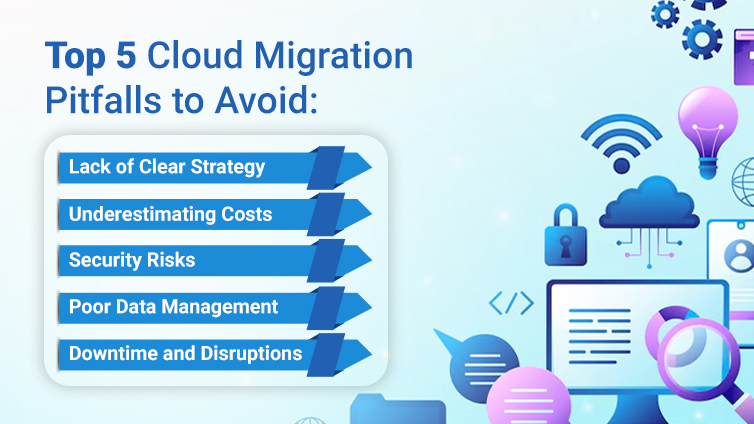

5 Common Cloud Migration Pitfalls and How to Avoid Them

Cloud migration is a strategic business decision that enables organizations to move data, applications, and infrastructure to the cloud. This can unlock enhanced scalability, agility, and cost efficiency.

On the other hand, the process has many challenges. Organizations face pitfalls that can derail projects, leading to increased costs, operational disruptions, and security vulnerabilities.

In this blog, we will explore the top five most common cloud migration pitfalls and provide actionable strategies for avoiding them.

1. Inadequate Planning and Strategy

The Pitfall

One of the most significant mistakes organizations make is diving into cloud migration ventures without a pre-defined roadmap or strategies.

Rushing into it without thorough planning could result in misaligned goals, inefficient processes, and increased dependencies.

Without the right plan, you risk facing unexpected technical challenges, budget overruns, and operational inefficiencies.

Why It Happens

  • Lack of Clear Objectives: Many businesses don’t have a clear objective about what they want with the migration such as cost reduction improved performance or enhanced security.
  • Insufficient Stakeholder Involvement: When teams make decisions without taking inputs from business leaders the migration activities may not be productive for the business.
  • Underestimating Complexity: Businesses often underestimate the complexity of migrating their legacy systems and application modernization activities.

How to Avoid It

  • Develop a Comprehensive Migration Strategy: Start with a clear understanding of the business goals. Identify what you want from your migration venture. You should also consider developing a detailed framework including timelines, milestones, and responsibilities.
  • Conduct a Thorough Assessment: Perform a comprehensive audit of your environment. Determine the dependencies, applications, data sets, and workflows that will be impacted. This audit process should determine the existing legacy systems as well as dependencies to avoid complications.
  • Engage Stakeholders Early: Include all the team members and relevant stakeholders when deciding on the migration process. A cross-functional team can provide diverse perspectives which will ensure that your efforts align with the business strategies.
  • Create a Detailed Roadmap: You can also break down the migration process into multiple phases. This will define the various checkpoints as well as lay out the various contingency plans to address the issues when they arise during the process.

By strategizing your efforts beforehand you can reduce the risk of unexpected hurdles.

2. Underestimating Data Complexity and Legacy Systems

The Pitfall

Project data is the single most valuable asset for any organization. Migrating it from a legacy system is a complex process and takes time.

Organizations oftentimes underestimate the complexities involved in transferring data accurately and securely.

These legacy systems can present compatibility issues which can complicate the migration process.

Why It Happens

  • Data Silos and Disorganization: Oftentimes data remains scattered across multiple systems and formats, which makes it hard to integrate into modern cloud platforms.
  • Legacy Application Dependencies: Many legacy systems rely on outdated technologies that don’t integrate effectively with cloud environments. This can lead to compatibility and performance issues.
  • Volume and Velocity: Large data sets and the need for real-time access can affect migration efforts which can lead to data loss and corruption.

How to Avoid It

  • Conduct a Data Audit: Determine the structure and volume of the data you want to migrate. Find the data silos as well as establish a data governance framework.
  • Plan for Data Transformation: Not all data can be moved in its original format. You need to clean, transform, and reformat data to ensure that it’s compatible with the cloud platform.
  • Leverage Automated Tools: Leverage migration tools and platforms when handling large data volumes; also minimize manual errors by automating data mapping processes.
  • Test Extensively: Pre-migration testing will enable you to identify potential issues such as data compatibility and performance; which will in turn fine-tune your approach.

AS Inner_1 (1)

3. Overlooking Security and Compliance Requirements

The Pitfall

Security and compliance are necessary to adopt cloud solutions and need to be strategized beforehand. Yet, if you are overlooking these aspects your organizations will face significant risks.
When it comes to cloud environments, you need to configure them to prevent data breaches and avoid creating compliance violations and other cyber threats.
Why It Happens

  • Assumption of Provider Responsibility: Some organizations believe that the cloud provider should exclusively take care of the application’s security. However, the cloud service providers provide robust security measures but the organization should themselves configure and manage security appropriately.
  • Rapid Migration Pressure: Don’t skip security configurations and compliance checks to complete a migration
  • Complex Regulatory Landscapes: Ensure to meet industry-specific regulations and standards such as GDPR, HIPAA, or PCI-DSS.

How to Avoid It

  • Adopt a Security-First Approach: Integrate security considerations into every stage of your migration process. Develop a detailed security policy that covers data encryption, access controls, and incident response strategies.
  • Understand Shared Responsibility: Define the right security responsibilities for your organization against those of the cloud providers. You need to configure all security settings such as firewalls, identity management, and monitoring tools.
  • Ensure Regulatory Compliance: Team up with legal and compliance teams to map out all other regulatory needs that are relevant to the industry. Also, conduct regular audits and use compliance management tools to remain aligned with the regulations.
  • Implement Continuous Monitoring: Once your data is in the cloud, it becomes imperative that you continuously monitor for vulnerabilities and unusual activity.

By addressing this security and compliance proactively, you can mitigate risks as well as ensure that your cloud environment is safe and compliant.

4. Mismanaging Costs and Budget Overruns

The Pitfall

Cost management is a significant factor when migrating to the cloud. If you have not planned out your budget, unexpected expenses can quickly add up.
Many organizations find themselves facing budget overruns due to hidden costs and unexpected operational expenses.

Why It Happens

  • Underestimating Operational Costs: Many organizations focus on initial costs but don’t account for operational expenses. These expenses include data transfer fees, storage costs, and also cloud service management.
  • Resource Misallocation: Without learning how cloud resources are used, companies may overestimate, leading to wasted resources and higher costs.
  • Lack of Visibility: Lack of monitoring and reporting can lead to over budgeting which can make it difficult to manage expenses.

How to Avoid It

  • Conduct a Detailed Cost Analysis: Before you migrate, you need to perform a cost-benefit analysis. You also need to consider the initial migration costs as well as long-term operational expenses. Also, integrate cloud cost calculators provided by top cloud providers.
  • Adopt a Cloud Cost Management Tool: Integrate tools that will provide visibility to your cloud migration efforts. These tools can enable you to monitor resource usage, optimize costs as well as find areas where you can cut unnecessary expenses.
  • Right-Size Your Resources: Work with the IT team to ensure only the necessary resources. This includes solutions such as auto-scaling, resource optimization strategies, etc.
  • Regular Audits and Reviews: Determine the best method for auditing. To achieve this you need to determine the cloud spending as well as adjust various strategies to avoid budget overruns.

5. Insufficient Training and Change Management

The Pitfall
It’s worth noting that when implementing new technology and processes you need to adapt as well. Without the right training and change management teams can struggle to utilize the new systems effectively. This can lead to operational inefficiencies, reduced productivity, and frustration among employees.

Why It Happens

  • Over-Reliance on Technology: Many organizations focus so much on the technical aspect of migration that they oversee the importance of educating the workforce to adapt.
  • Resistance to Change: Employees accustomed to legacy systems may even resist new tools and processes.
  • Inadequate Training Programs: If you skimp on training and support you can leave teams feeling unprepared and overwhelmed by the cloud environment.

How to Avoid It

  • Develop a Comprehensive Training Plan: Invest in training programs that can cover both the technical and operational aspects of the new cloud environment. These training programs could include workshops, webinars, and hands-on training sessions.
  • Communicate Benefits Clearly: Assist your team in understanding how the migration will make their work easier and more efficient. Stress upon improvements such as collaboration, scalability, and performance.
  • Implement a Change Management Strategy: A strategic change management can assist you in a smooth transition. This involves clear communication, phased rollouts, and greater feedback and support.
  • Provide Ongoing Support: You need to ensure that the support you provide is readily available during and even after the migration process. This also includes dedicated help desks, online resources, and regular check-ins to address concerns and gather feedback.

Prioritize training and change management, so that you can empower your employees to embrace the new cloud environment and also ensure that your migration activities are up to the specs.

Conclusion

Cloud migration can push businesses into a new era of agility, scalability, and innovation. But the path is riddled with various pitfalls such as inadequate planning and data complexities.

By understanding these common pitfalls and implementing the strategies outlined you can avoid costly mistakes and ensure a smooth and efficient migration.

With the right planning, continuous monitoring, and proactive management, your organization can avoid common pitfalls so that you can reap the benefits of modern organizations.

What Privacy Policy Stands in SaaS Application Development?

Recently, WhatsApp has updatedits user data privacy policy and this update creates so much hush between end-users.

Even tech giant Elon Musk also tweeted about it.

By the way, we do not want to make any comment on that nor want to make any comparisons.

But any user data of any application is a primary concern in today’s market. Service providers must satisfy their end-users by making much-required transparency of data privacy policies.

A few years back, there was only a fundamental shift in how companies do business online, and about data privacy. But after the intervention of cloud-based business strategy things have changed.

Now building credibility as a cloud-based business is harder than ever.

Let’s take the SaaS market. To make the subscription payments option available, the SaaS companies need a strong focus on keeping customer data secure and communicating that security to their users.

Just letting strengthen the privacy concerns are not enough though – the SaaS Application builders need concrete security measures in place that customers can easily understand.

Here we have put together some of the basic information and best practices on data security policies to help you get started with securing your SaaS application. Let’s dive in!

Basic things about SaaS security

SaaS security refers to the data privacy and safety of user data in subscription-based software i.e. Orangescrum, Wakeupsales, etc.

Each day, SaaS companies access, and analyze various data of customers. Even including the credit and debit card details.

As a SaaS founder, If you fail to keep those data safe, it will have a direct and lasting impact on your user retention and business growth.

With high-profile leaks like Cambridge Analytica happening more often, customers are increasingly concerned with their data privacy.

Concerning the customer data safety, different country’s regulatory bodies have issued various security guidelines like GDPR, EU-US and the Swiss-US Privacy Shield Frameworks, etc. These are mandatory to follow as a SaaS company.

And all these guidelines declares “Doing so ensures that whatever data your product has access to, it’s kept secure in a way that customers can understand—whether you’re dealing with internal or external issues.”

Also, the SaaS companies need to consider the data leakage.

As well as keeping secret your customer data you need to protect these customer data from outside attacks also. Or I can say you need to create a secure environment to run your SaaS application.

So, you need to make a dedicated strategy for your SaaS product during the development process.

The best practices to ensure data privacy and security:

Whether you’re developing a new SaaS product or rolling out a new feature, it’s important to consider how these changes will impact your SaaS Application’s security.

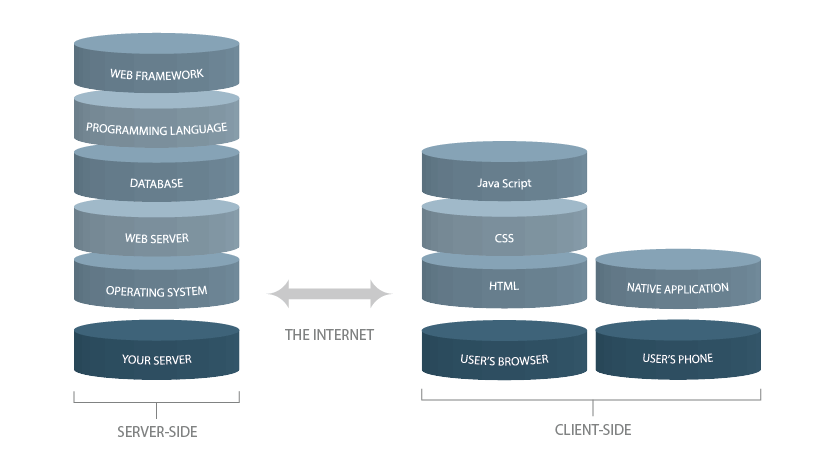
SaaS Secrity Layers
Image Source: Profitwell

Keep the following best practices in mind to ensure your data privacy and security.

Encrypt your data

Encrypting the internal or user data should be the top priority through every layer of your technology stack.

A proper encryption ensures that the customer data isn’t immediately out there for all to see.

And let this know to your customers that your product is always keeping all sensitive billing information safe by communicating your encryption policies.

Not to mention, there are many common encryption protocols to use, each ensuring that the data you rely on isn’t stored in plain text.

Make privacy a priority

Privacy and security statements are required by most compliance and regulatory protocols, but that’s not all they’re good for.

By creating a robust statement for your own product, it educates both your team and your customer in how to handle valuable data.

Work with your development and legal teams to define the specific information that should be included in your own privacy policy.

Educate your customers

According to Gartner research, customers will be responsible for 95% of cloud security failures by 2020.

Whenever you onboard new customers or push important updates to current ones, make sure that you’re actively reaching out to let people know how it will impact their security.

More and more SaaS companies are moving to an entirely cloud-based infrastructure and most customers don’t understand the implications of this move.

Make sure your customers know how to keep their information safe to minimize security issues.

Backup user data in several locations

Lots of businesses aren’t prepared for data breaches, which makes effective customer data management very important.

Backing up your data in several locations ensures that no single system failure will damage your security.

Many cloud platforms SaaS companies rely on will provide this functionality as a part of their product, but you need to be diligent with backups to avoid potentially disastrous losses of customer data.

Consult a cyber-security firm

Third-party security firms can provide valuable industry insight into what you need to do to keep your platform secure.

Their testing protocols ensure that your software, network, and infrastructure is kept safe at all times.

As you’re building out your product, these third-party providers can also help you create plans for if/when a breach occurs.

Require stronger passwords

Even when they understand the risk of this practice, many people still use the same password for every login.

Prevent users from making their data vulnerable by requiring strong passwords when they create accounts.

Consider setting up authentication protocols and case sensitivity guidelines.

As the subscription economy continues to mature, a focus on security will only become more important. Always evaluate your current protocols to make sure you’re staying compliant as your company grows.

Takeaways

With a strong focus on SaaS security, you build trust in your product and foster an ecosystem that customers feel comfortable using.

Andolasoft puts user data security first

At Andolasoft, we are compliant with EU and US privacy regulations, we never sell your valuable customer data, and regularly perform security audits and penetration testing.

Check out our security statement for specific information on how we keep our SaaS business secure.

As people become more well-versed in their personal security, more secure products will also be more attractive to buyers.

Want to discuss more on SaaS Application data privacy? Let’s discuss!


How To Minimize Cloud Security Risks For SaaS Application

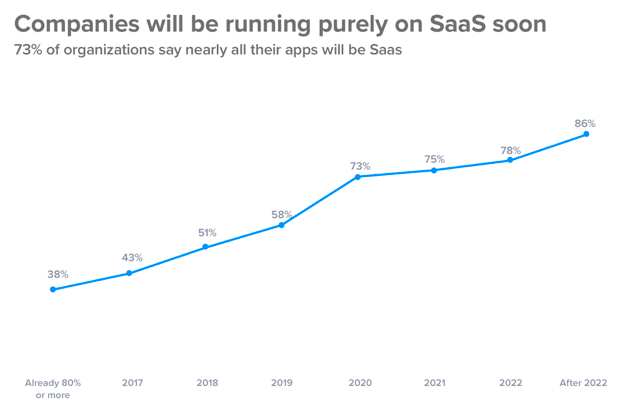
Software as a Service (SaaS) has grown to become the world’s most popular software delivery model and is showing no sign of slowing down.

Most modern businesses want to work with a set of applications that don’t require them to have their own storage, backups, and server rooms on site.

As a SaaS provider, you need to store plenty of sensitive data for both information and customer-related as well.

In this complex world that seems to see new cyber-attacks and data breaches every week, all SaaS apps and businesses must take measures to keep their internal as well as customer data safe and secure and need to learn on how to minimize cloud security risks for SaaS application.

SaaS Security - Andolasoft

As security technologies are changing fast and hackers inventing new ideas, how can SaaS companies keep up?

SaaS is literally taking over the cloud computing market.

So, it is no surprise to find that the global public cloud service market is projected to grow to more than $200 billion in 2019, up from $175.8 billion in 2018, according to Gartner.

Never miss an update for us. Join 10,000+ marketers and leaders.

For medium-size organizations, SaaS is primarily a hassle-free and cost-effective alternative that offers new possibilities, flexible costs, as well as easy maintenance and deployment.

In case, if you have been running with a limited budget there are still many free and open-source tools are available to execute your security strategy.

Now before we get into the best practices for securing SaaS application, let’s discuss the security challenges.

Security Challenges For SaaS:

Today, enterprises are focusing on data and business processes like records, pricing information, transactions, etc.

If your SaaS provider is leveraging a public cloud computing service, all the data is possibly being stored with other SaaS applications.

So here’s the list of 9 common SaaS security challenges;

  • Data access risk
  • Instability
  • Lack of transparency
  • Identity theft
  • Uncertainty of your data location
  • Paying upfront and long-term
  • Not sure what you agreed to
  • How your data is actually secured
  • No direct control over your own data

The study says, “By 2021, 27% of corporate data traffic will bypass perimeter security, up from 10% today.”

Data stored in the SaaS application needs careful analysis of the security controls and processes in each platform for efficient protection. However, as the huge number of SaaS apps are being used, SaaS App Security is what needed the most.

Securing SaaS Applications:

Cloud-based SaaS security is more manageable.

Cloud-based security makes it easier for you to manage 4 major components of securing SaaS applications like; visibility, control, threat protection, and data governance.

The following key security elements should be carefully considered as an integral part of the SaaS application development and deployment process:

1. SaaS Deployment Model:

Today, product leaders are rushing to meet the market release deadlines.

That’s why product security often takes a backseat. The SaaS security challenges vary according to the deployment model by the vendors.

SaaS vendors may choose to deploy the solution either by using a public cloud vendor or host it themselves.

Dedicated public cloud providers help to build secure SaaS solutions by implementing infrastructure services that help in ensuring security.

2. Data Security:

To ensure a high level of security, all interaction with servers must happen over SSL termination.

In a traditional on-premise application deployment model, the sensitive data of each enterprise continues to reside within the enterprise boundary and is subject to its physical, logical and personnel security and access control policies.

However, in the SaaS model, the enterprise data is stored outside the enterprise boundary, at the SaaS vendor end.

Consequently, the SaaS vendor must adopt additional security checks to ensure data security and prevent breaches due to security vulnerabilities in the application or through malicious users.

This involves the use of strong encryption techniques for data security and fine-grained authorization to control access to data.

 3. Network Security:

In a SaaS deployment model, sensitive data is obtained from the enterprises, processed by the SaaS application, and stored at the SaaS vendor end.

All data flow over the network needs to be secured in order to prevent leakage of sensitive information.

 4. Data Backup:

The SaaS vendor needs to ensure that all sensitive enterprise data is regularly backed up to help quick recovery in case of failures.

In the case of cloud vendors, the data is not encrypted automatically. The users need to separately encrypt their data and backups so that it cannot be accessed or tampered with by unauthorized parties.

I’ve worked with the team at AndolaSoft on multiple websites. They are professional, responsive, & easy to work with. I’ve had great experiences & would recommend their services to anyone.

Ruthie Miller, Sr. Mktg. Specialist

Salesforce, Houston, Texas

LEARN MORE

Conclusion:

The major benefits offered by the SaaS model, such as improved operational efficiency and reduced costs are reason enough to adopt this powerful model.

However, to overcome your fear about SaaS application security, ensure the vendor you go with.

These measures will help identify any security issues upfront and ensure the safety of your data.

To Build a Risk-free SaaS Application, let’s discuss!

Top Reasons To Choose Amazon Web Services To Grow Your Business

With an ultimate record of $2.53bn in Q2 in 2018, Amazon Web Services (AWS) doesn’t stop to amaze people and businesses. Despite the recent growth of Google Cloud and Microsoft Azure, AWS still commands nearly 40 percent of the cloud computing market share.

The dominance of AWS in the IT industry as well as in growing demand for profitable cloud computing services has remained enormous from the very first day.

For the first-timers, Amazon Web Services (AWS) is a cloud computing platform that is not only comprehensive but also very much scalable and flexible to the world by the leading e-commerce giant, Amazon. AWS offers a blend of Infrastructure as a Service (laaS), packaged software as a service (SaaS) and platform as a service (PaaS) offerings.

In 2006, the official launch year of AWS, Amazon.com has build AWS from the internal infrastructure in order to handle its online retail operations.

Amazon Web Services can be simply described as a highly demanding cloud computing platform offering a broad set of global compute, storage, database, analytics, application, and deployment services that help organizations to move faster, lower their IT costs, and scale applications.

 In addition to providing greater speed, agility, scalability, security, availability, reliability, and flexibility, AWS enables you to save on the total cost of ownership of your IT infrastructure. Join us to learn about the tools and best practices that many customers use to optimize their AWS environment and reduce costs. Some of these include Amazon EC2 right-sizing, scheduling Amazon EC2 and Amazon RDS, storage optimization, reserved instances, tagging, and cost visualization.

Peter Shi, Commercial Architect, Amazon Web Services

(Source: aws.amazon.com)

So, now you might think how AWS will help you in your business growth? Over a year, more than a million customers are using and AWS is offering more than 70 wide-ranging services to meet nearly every business needs. Let’s have a look at the top reasons to choose AWS for your business.

Benefits of Using Amazon Web Service for Business

1. Global Presence:

Amazon has targeted the entire global audience. AWS has grown to be a worldwide leader in cloud computing. Now it’s operating in 44 zones and 16 geographic regions around the world. Thus it enables you to deploy your web application in multiple regions and helps to lower the latency with a better web experience for your targeted audience at a minimal cost.

2. Pay-As-You-Go Pricing:

AWS is a server-based service and flexible cloud-computing platform which allow users to automate routine tasks and quickly scale capacity up or down as needed. The most important point is Amazon is extremely flexible and offers pay-as-you-go approach with the flexible pricing structure.

Thus business owner can stop and start the instances as needed for the growth of the business bottom line. AWS easily adjust the server storage and infrastructure during the slow time. Small and mid-level organizations can also influence its services as you have to pay for only the resources consumed with pay per hour facility.

3. Security:

Since data storage and data security are significantly important to businesses, when switching to a cloud provider or service storage provider, it makes sense that security would be a highly sought-after feature.

AWS’s security is robust enough to tackle every possible challenge coming upfront whether you are the one-man startup or an enterprise-level AWS provides the same level of world-class security.

The data center maintains a high level of security resources like IAM (Identity and Access Management) which manage dozens of infrastructure compliance to keep secure the real-time instances on suspicious activity.

4. Scalability:

AWS is very much fit and healthy for all size of businesses. Because of its flexibility system, AWS has become the most demandable cloud computing infrastructure.

All the services communicate with your application automatically and handle the situations accordingly. With powerful API it manages the server instances in quick time and shut down the instances when they are no longer needed. Businesses will get more traffic in the first phase.

Amazon Web Services will also start supporting your business and in return, offer you flexibility, scalable e-commerce and storage solutions.

5. Customizable:

Amazon Web Services will allow you to choose the programming language, database, operating system, and other assets as per your knowledge and choice. This is to aid you in creating a solution that works not just best but outstanding for your team.

This platform allows a high level of customizations to meet the business requirement like cost tracking, organization security, and automation.

6. Free Tier:

Most of the IT professionals are little bit worry about the use of EC2 because if its cost factor. They have very less knowledge on AWS because EC2 is not like the traditional hosting solutions and it has designed to bring the server online and offline quickly as needed.

The free tier provides credit to run an EC2 micro instance. It comes with S3 storage, EC2 compute hours, Elastic Load Balancer time, and much more. This gives developers a chance to try out AWS’s API in their software, which not only enhances their software but also ties them to AWS, which benefits Amazon in the long run.

Andolasoft has the excellence on AWS is remarkable throughout and can assure growth in online sales through exclusive Amazon Web Services.

How Andolasoft Plans for Your Business Success with Premium AWS?  

Andolasoft the web and mobile application Development Company USA is well-known in providing comprehensive AWS Management Services. We have a team of experienced and highly knowledge-holders to work on the collection of remote computing services that together make up a cloud computing platform powered by Amazon.

Andolasoft is the consulting partner of Amazon Web Services and expertise in IT infrastructure management services like Elastic Block Store (EBS), Elastic Compute Cloud (EC2), Elastic Load Balancing (ELB), Simple Storage Service (S3), Relational Database Service (RDS), DynamoDB, Auto Scaling, CloudFront, Route53, CloudWatch, Elastic MapReduce (EMR) and ElastiCache.

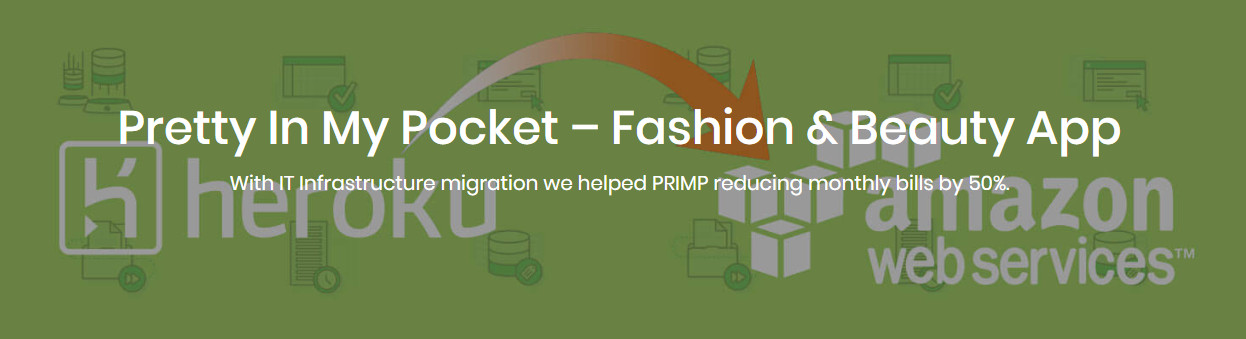
We have helped to reduce the It infrastructure cost of our customer PRIMP.

PRIMP

Let’s have a look at how we are helping others in managing their business,

  • We are the recognized AWS Managed Services Provider.
  • Reduced Risk using experienced consultants.
  • We have an experienced and skilled team of AWS experts.
  • Deployment and Operations mentoring.
  • Years of experience in support and maintenance to demanding enterprise customers.
  • Focus on where we provide the most value.
  • We are having expertise in application migration.
  • Effective post-implementation support.
  • Our cloud services are available to create cross-over solutions that combine AWS with private clouds, dedicated servers, and collected equipment.

We rank the top flutter developers by Designrush.

Conclusion:

Amazon Web Services is one of the best cloud computing services for IT infrastructure management. As your business grows you may need big data application for the smooth operation of the business and AWS helps the quick scale of any big data and you can access many resources according to your requirements.

How to install MongoDB on RHEL/Centos/Fedora Server

Introduction to MongoDB:-

MongoDB is an open source schema less database system which provides a document-oriented data model. The prime concern was that MySQL is written using SQL queries, while MongoDB is focused on BSON (Binary JSON). It is a cross-platform NoSQL database. It is table based relational database structure in favor of json like documents with dynamic schemas, making the integration of data in certain types of applications easier and faster. MongoDB is free and open-source software.

So let’s see the steps to install mongoDB on RHEL/Centos or Fedora Server.

How-to-install-MongoDB-on-RHELCentos-Fedora-Server

Installation procedure:-

Step: 1  System Login as root user. We are checking system OS type and system bit type.

 # uname –a
   # cat /etc/issue

Step: 2  Now we are creating a yum repo file .like /etc/yum.repos.d/mongodb.repo

# vi /etc/yum.repos.d/mongodb.repo

For we are using as 64 bit System:

[mongodb]
name=mongodb Repository
baseurl=http://downloads-distro.mongodb.org/repo/redhat/os/x86_64
gpgcheck=0
enabled=1

For we are using as 32 bit System:

[mongodb]
name=mongodb Repository
baseurl=http://downloads-distro.mongodb.org/repo/redhat/os/i686
gpgcheck=0
enabled=1

Step:3  Now we install MongoDB client and server using Yum

       # yum install mongo mongo-server

Step:4  Now we can configure and basic setting in MongoDB Database Server

       # vi /etc/mongod.conf
       logpath=/var/log/mongo/mongod.log
       port=27017
       dbpath=/var/lib/mongo

Step:5  Start MongoDB Server

       # /etc/init.d/mongod start

Step:6  Start MongoDB Server on system boot time

       # chkconfig mongod on

Step:7  Test MongoDB server

# mongo
   	> use test
   	switched to db test
  	> db.test.find()
 	> db.test.save({sd: 1})
	> db.test.find()
  	{ "_id" : ObjectId("4b9ef53c4f450969bb35a1a9"), "sd" : 1 }
   > db.test.update( {sd: 1}, {sd: 5})
   > db.test.find()
 	{ "_id" : ObjectId("4b9ef53c4f450969bb35a1a9"), "sd" : 5 }


Conclusion:-

MongoDB has an official driver for a variety of popular programming languages and development environments.

We at Andolasoft having vast expertise on implementing MongoDB database as backend in several cutting edge applications. We have developed many apps like OrangeGigs, SQUADZ  by using MongoDB as backend.

You can also see: How to Import csv configuration file to device’s SQLite db

Hope it will be helpful for you. I’d love to hear about your thoughts on this.
Thank you for your Interest.